Business Websites
Clarify your offer, earn trust, and create a focused path to enquiry.
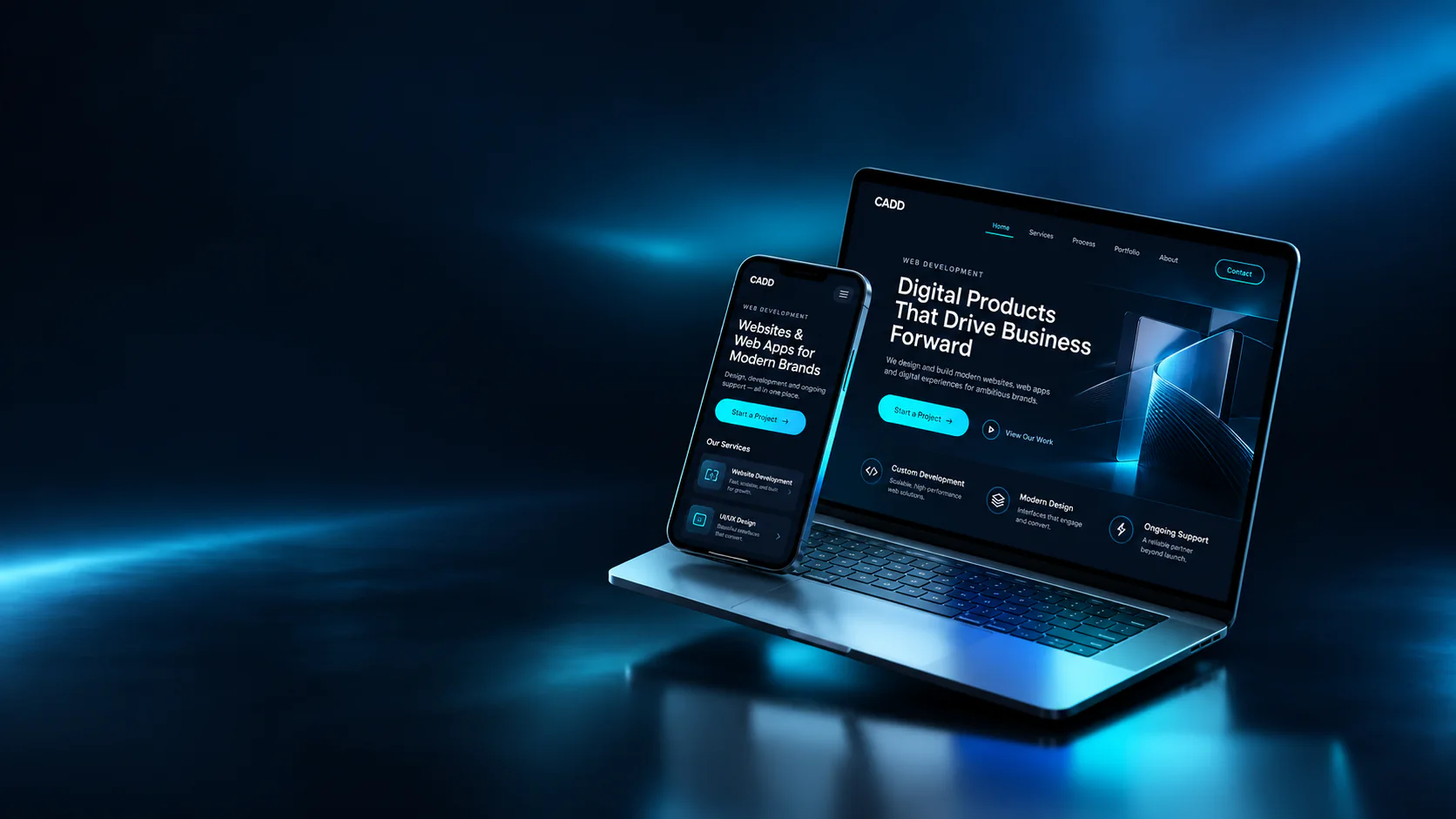
Web Development
From high-trust business websites to custom web applications and SaaS platforms, we design and engineer digital products around real users, clear business goals, and long-term ownership.
Explore web development servicesChoose a Direction
Start with the closest fit. Each engagement is shaped around your users and constraints rather than forced into a preset package.
Clarify your offer, earn trust, and create a focused path to enquiry.
Turn complex workflows into a purposeful product for customers or teams.
Product foundation
For founders and product teams shaping a subscription product that needs clear scope, thoughtful user flows, and room to evolve.
Business Websites
For service businesses and growing companies that need their online presence to explain their value, build trust, and guide visitors toward action.
Designed for: Professional services, established businesses, new ventures, and teams modernizing an outdated site.
Help visitors quickly understand what you offer and who it is for.
Use deliberate structure, content, and proof to reduce uncertainty.
Guide the right visitors toward an enquiry or next conversation.
Discovery begins with business goals, audience, priority services, and the actions visitors should take.
Brand assets, service information, existing content, stakeholder access, and timely review feedback.
Custom Web Applications
For organizations whose workflows, data, or customer experiences no longer fit generic tools or disconnected spreadsheets.
Illustrative product composition
Best suited forOperations teams, product owners, digital service providers, and businesses replacing manual processes.
DeliveryA tested application release with agreed workflows, deployment configuration, and maintainable handover documentation.
The problem we addressFragmented tools create duplicated work, weak visibility, and processes that become harder to manage as the business grows.
We map users, roles, business rules, current systems, risk, and the smallest valuable release before engineering begins.
Process owners, access to current workflows and systems, representative data, and decision-makers for validation.
SaaS Platforms
For founders and product teams shaping a subscription product that needs clear scope, thoughtful user flows, and room to evolve.
Subscription-ready journeys without assuming a specific billing provider.
Clear account, workspace, role, and permission boundaries.
Administration and support tools considered with the customer experience.
Architecture decisions follow expected users, data, operations, and change—not an unsupported scale claim.
What delivery includesAn agreed product release with tested journeys, deployment support, technical documentation, and a prioritized improvement path.
How kickoff worksWe clarify the user problem, business model, core journey, assumptions, and release boundaries before committing to scope.
What we need from youProduct vision, access to subject-matter experts, policy and billing decisions, and regular product feedback.
We clarify the user problem, business model, core journey, assumptions, and release boundaries before committing to scope.
Product vision, access to subject-matter experts, policy and billing decisions, and regular product feedback.
Engineering Standard
Quality is not a layer added before launch. It is a set of practical decisions made throughout discovery, design, implementation, and release.
Layouts are designed and checked for real content across mobile, tablet, and desktop—not simply shrunk.
Semantic structure, keyboard access, visible focus, readable contrast, and clear form feedback are built into the interface.
Asset loading, rendering, and bundle decisions are reviewed against the journeys that matter most.
Boundaries are chosen around product responsibilities so future features do not require avoidable rewrites.
Reusable components, typed contracts, focused modules, and documentation keep the product workable for the next team.
Input handling, access control, dependency hygiene, and data exposure are considered from the start.
Public pages receive meaningful structure, metadata, crawlable content, and sensible internal linking.
Critical journeys are reviewed across target devices, browsers, validation states, and failure conditions.
Release responsibilities, environments, monitoring needs, and the post-launch operating model are agreed before launch.
Responsive, accessible interfaces built around real content and devices.
Layouts are designed and checked for real content across mobile, tablet, and desktop—not simply shrunk.
Semantic structure, keyboard access, visible focus, readable contrast, and clear form feedback are built into the interface.
Asset loading, rendering, and bundle decisions are reviewed against the journeys that matter most.
Maintainable architecture and secure foundations for long-term ownership.
Boundaries are chosen around product responsibilities so future features do not require avoidable rewrites.
Reusable components, typed contracts, focused modules, and documentation keep the product workable for the next team.
Input handling, access control, dependency hygiene, and data exposure are considered from the start.
Search, testing, deployment, and support considered before launch.
Public pages receive meaningful structure, metadata, crawlable content, and sensible internal linking.
Critical journeys are reviewed across target devices, browsers, validation states, and failure conditions.
Release responsibilities, environments, monitoring needs, and the post-launch operating model are agreed before launch.
Selected Projects
A management platform, a business website, and a web app. Each has a case study with the confirmed technology and what you can check for yourself.
Swipe to explore. Use the left and right arrow keys when the carousel is focused.
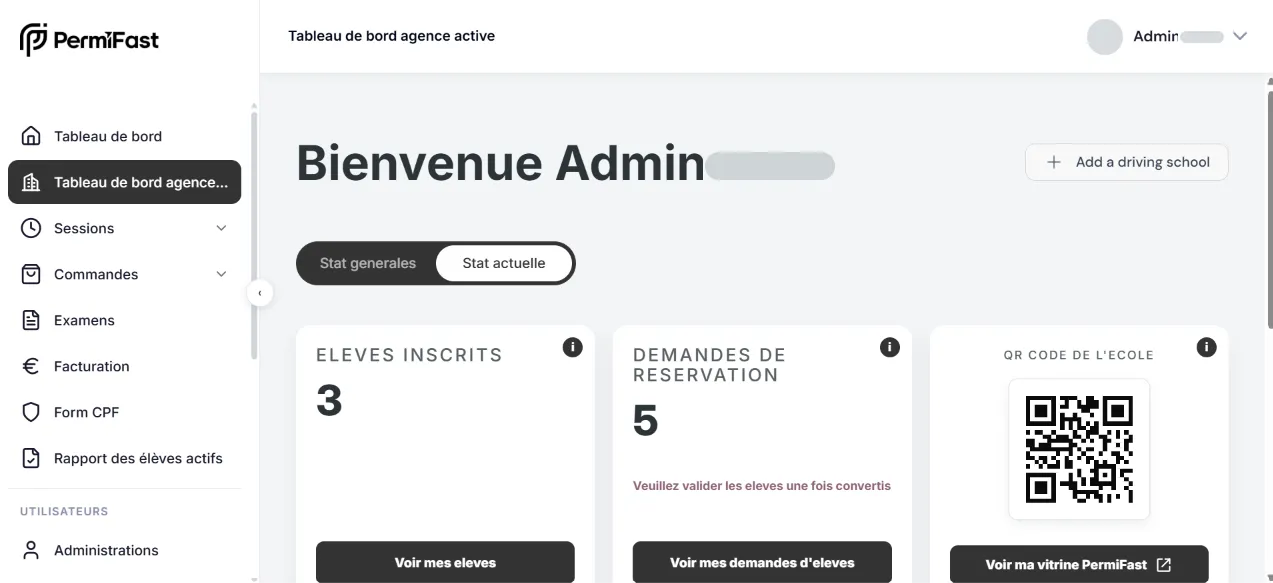 Case study
Driving-school website and management platform
A driving-school website connected to a management system with separate dashboards for administrators, instructors, students, and the secretariat.
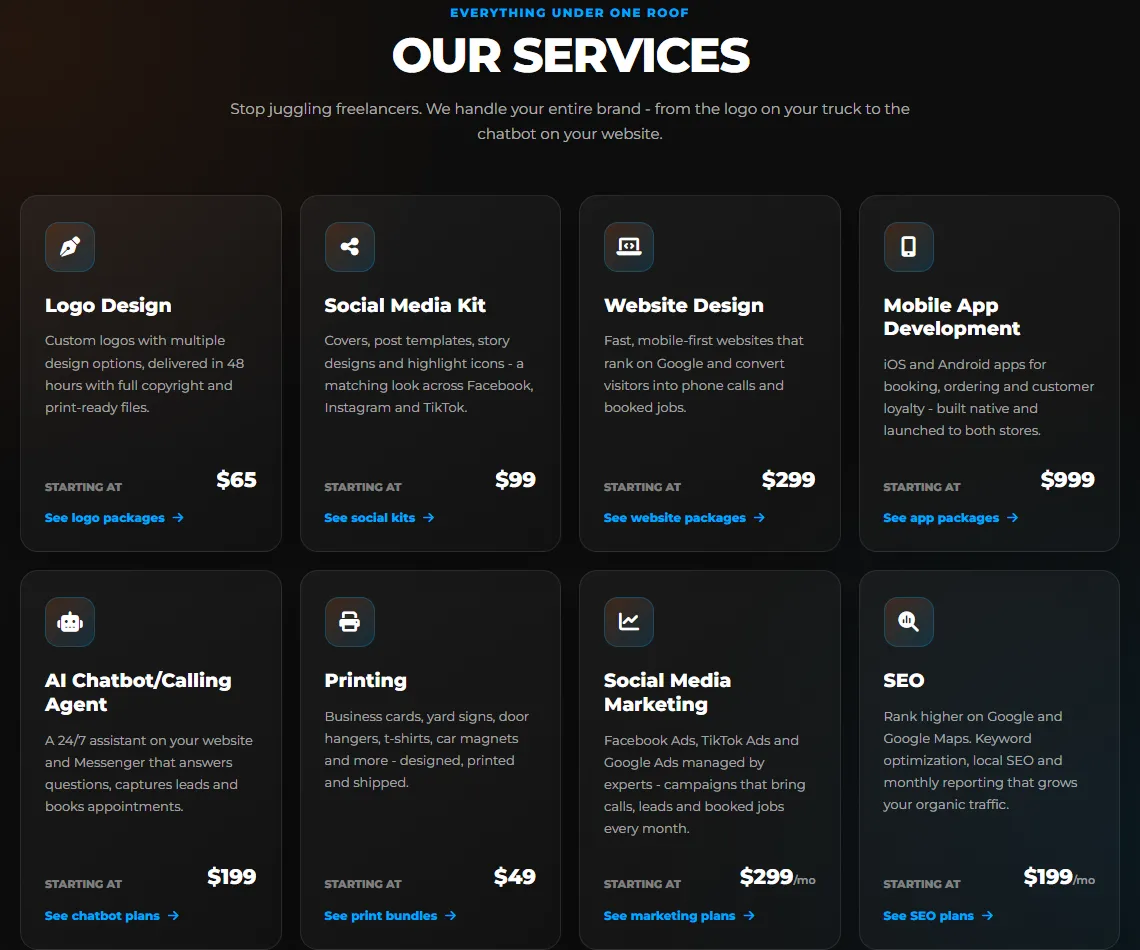 Case study
Creative-services business website
A service website presenting logo, print, website, and marketing offers, with package comparisons and a consultation request form.
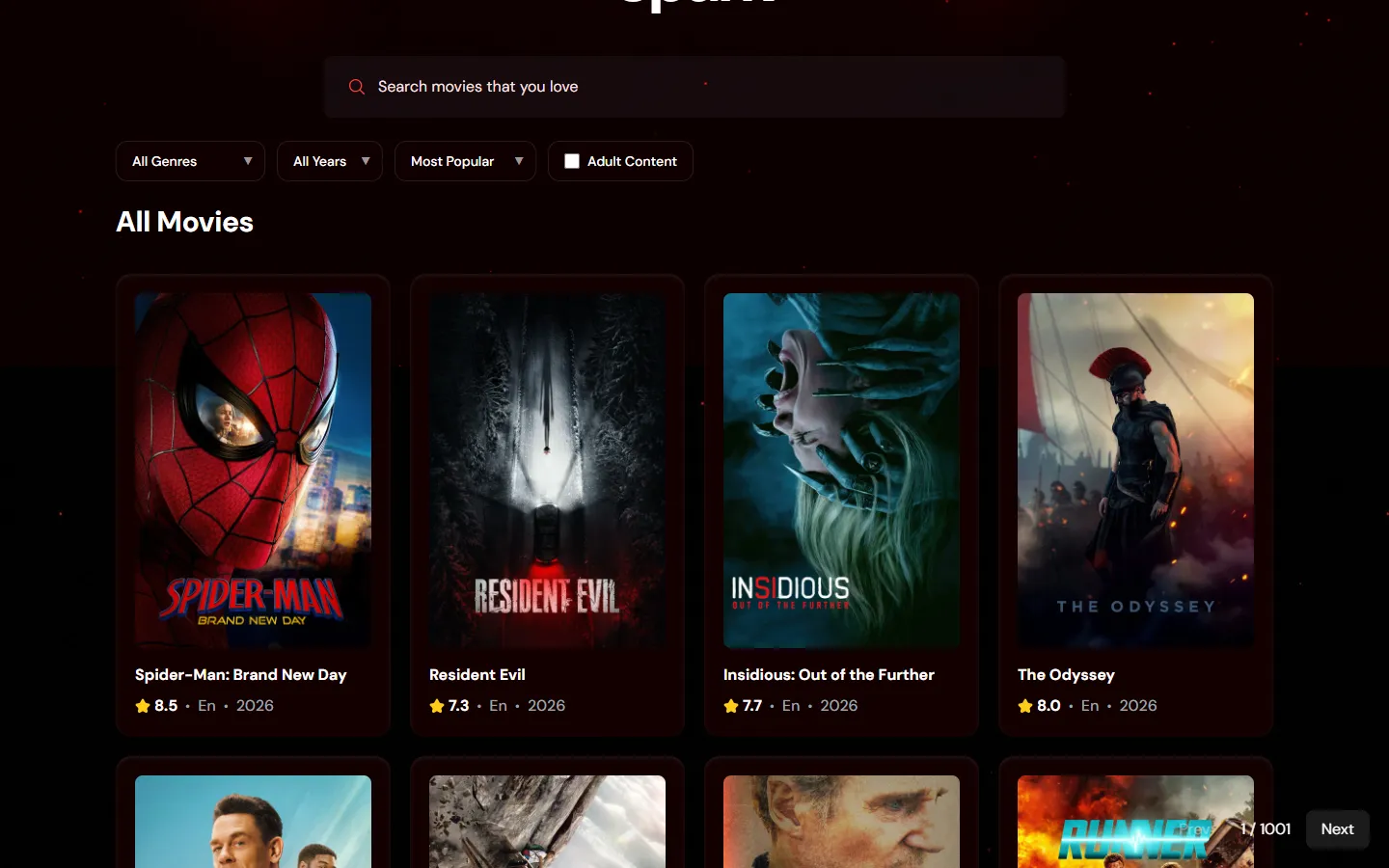 Case study
Movie discovery web app
A responsive web app for browsing films with search, genre and year filters, sorting, paging, and in-app trailers.
Delivery Process
The details change with the work, but the decision points stay clear.
Align on users, business goals, constraints, and evidence.
Review the market, existing workflow, content, and technical context.
Define the release boundary, responsibilities, assumptions, and acceptance criteria.
Shape information architecture, user flows, visual direction, and responsive states.
Implement in reviewable increments with quality checks throughout.
Validate critical journeys, prepare deployment, and release with agreed safeguards.
Resolve launch issues and continue through a separately agreed support plan.
Technology & Architecture
Architecture is selected after the users, data, integrations, risks, and operating responsibilities are understood. The project’s written scope records the final choices.
Decision path
Users, goals, constraints
Journeys, data, integrations
Fit, ownership, maintainability
Release, operation, change
Component-based, typed interfaces are selected for maintainability, accessibility, and the product’s interaction needs.
Server architecture is selected around data rules, integrations, security, and the expected operating model.
The data model follows real entities, permissions, reporting needs, and change patterns—not technology fashion.
Hosting and deployment choices reflect availability, team capability, compliance, and cost constraints.
External services are evaluated for reliability, ownership, failure handling, and long-term dependency risk.
Pricing, Timeline & Ownership
Useful estimates require context. We document what is included, what is assumed, and what can change the plan.
Ownership and licensing terms are agreed in writing.
Credentials, environments, and third-party accounts receive explicit owners.
Estimates are refined as assumptions become evidence.
Number of journeys, roles, workflows, pages, and edge cases.
Whether we begin with established brand and product direction or shape it together.
Volume, migration quality, content readiness, and data transformation needs.
External platforms, authentication, billing, reporting, and API constraints.
Target devices, browsers, accessibility, security, and testing depth.
Phasing, stakeholder availability, dependencies, and post-launch support.
Frequently Asked Questions
If your question depends on project context, the honest answer begins with discovery.
Cost depends on scope, content readiness, design needs, integrations, quality requirements, and delivery responsibilities. After discovery, we provide a written scope and estimate rather than an unsupported fixed price.
Timeline depends on complexity, decision speed, content readiness, and external dependencies. We agree milestones only after the project has been scoped.
Responsive behavior is part of the design and quality process. The exact target devices and browsers are documented during scope.
Yes. We first review the current content, technology, analytics, brand, and search considerations so useful assets are retained where appropriate.
Yes. We can design role-based portals, workflow systems, dashboards, and other browser-based products when a tailored solution is justified.
Yes. Discovery and scope can be a focused first phase to clarify users, workflows, priorities, risks, and the smallest valuable release.
Ownership, licenses, third-party services, and handover responsibilities are documented in the project agreement before work begins.
Deployment and support can be included as separately defined services. Hosting accounts and operational ownership are agreed explicitly rather than assumed.
We build semantic, keyboard-friendly interfaces and technical search foundations. Specific accessibility conformance or search outcomes require an agreed audit and scope; rankings are never guaranteed.
You will normally provide a decision-maker, subject-matter access, brand and content materials, system access where relevant, and timely feedback at agreed review points.
Your Next Step
Use the planning questionnaire or start with a conversation. Neither action creates a confirmed project or appointment until the future backend integration is complete.